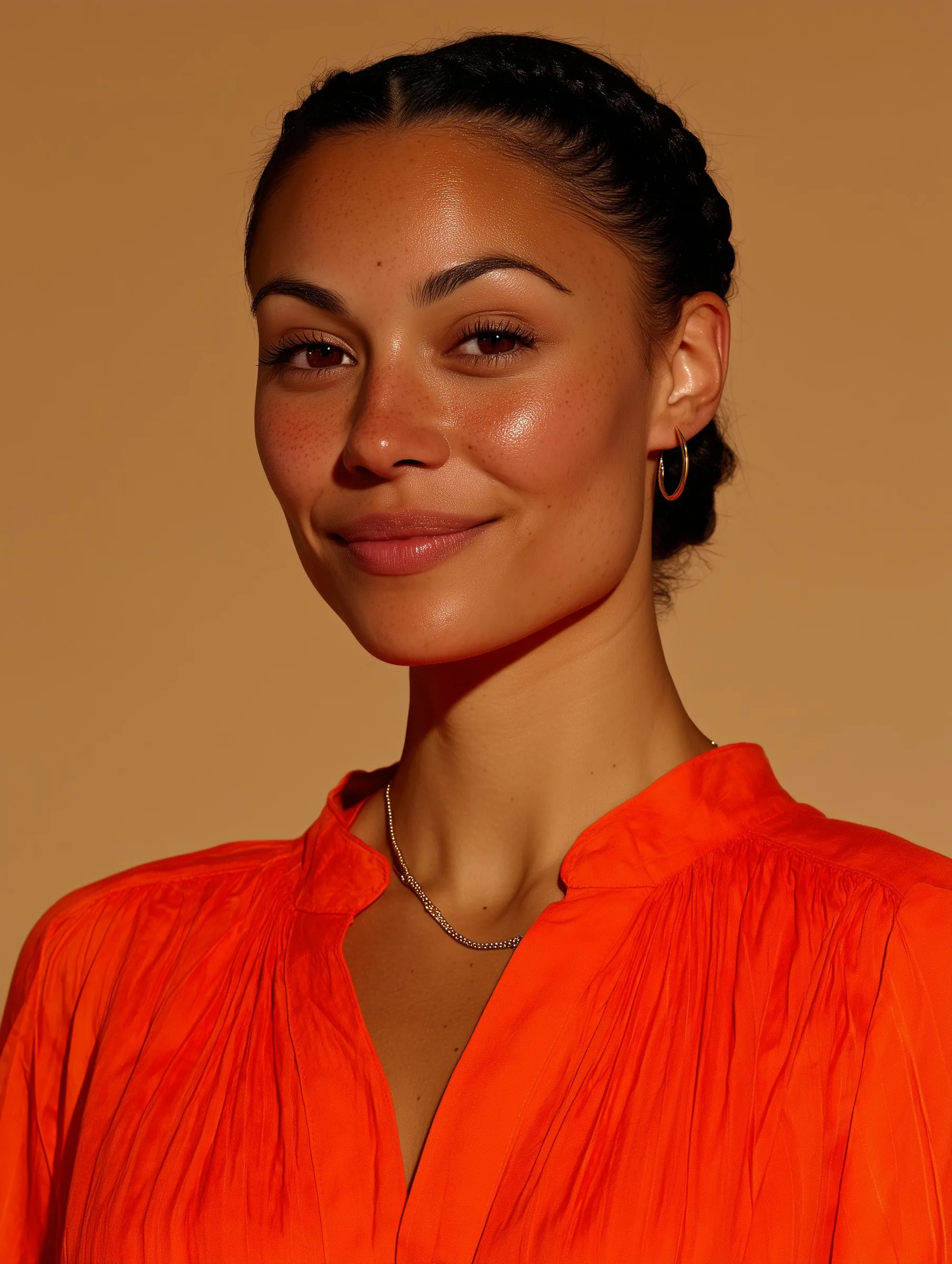
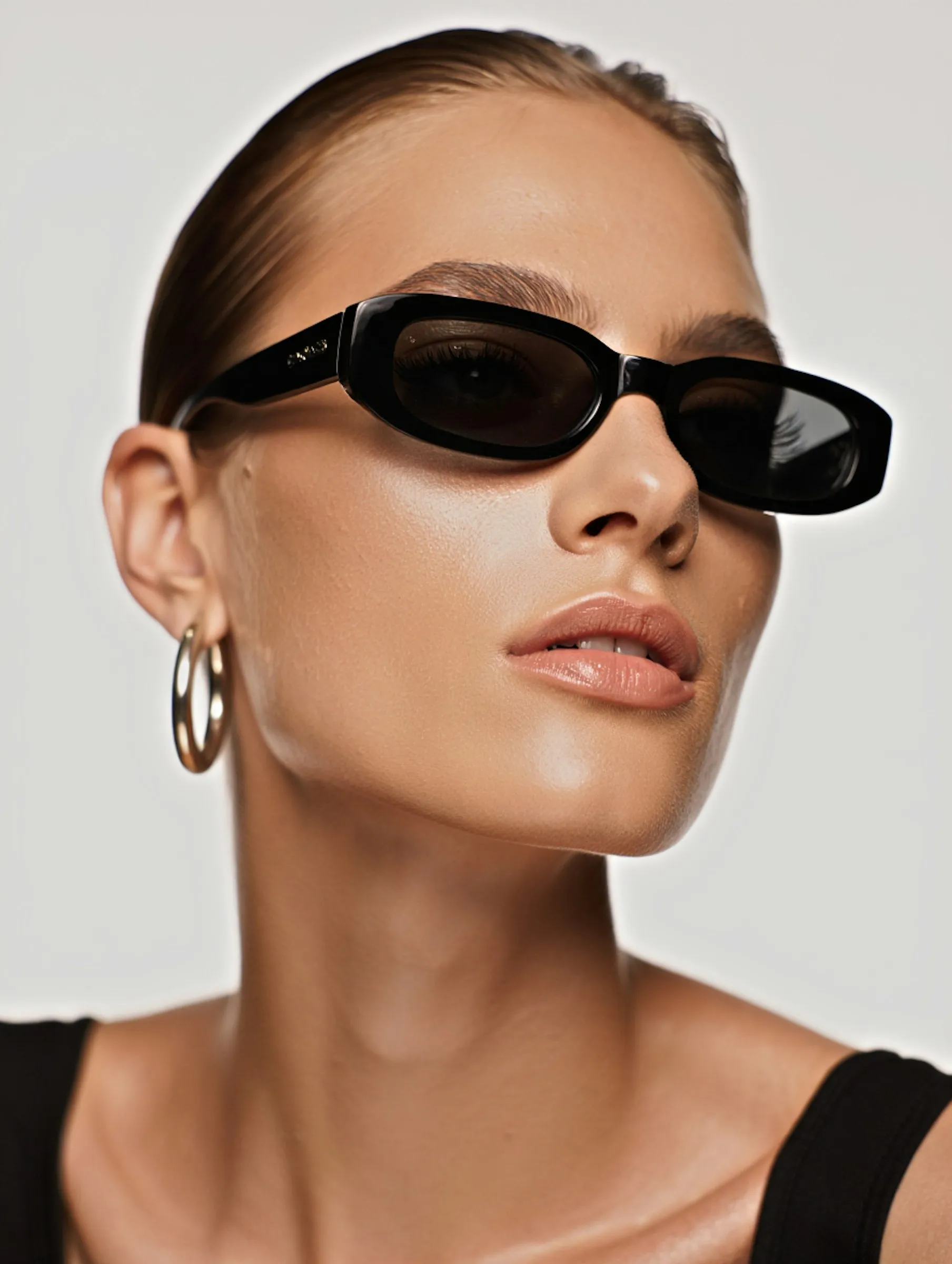
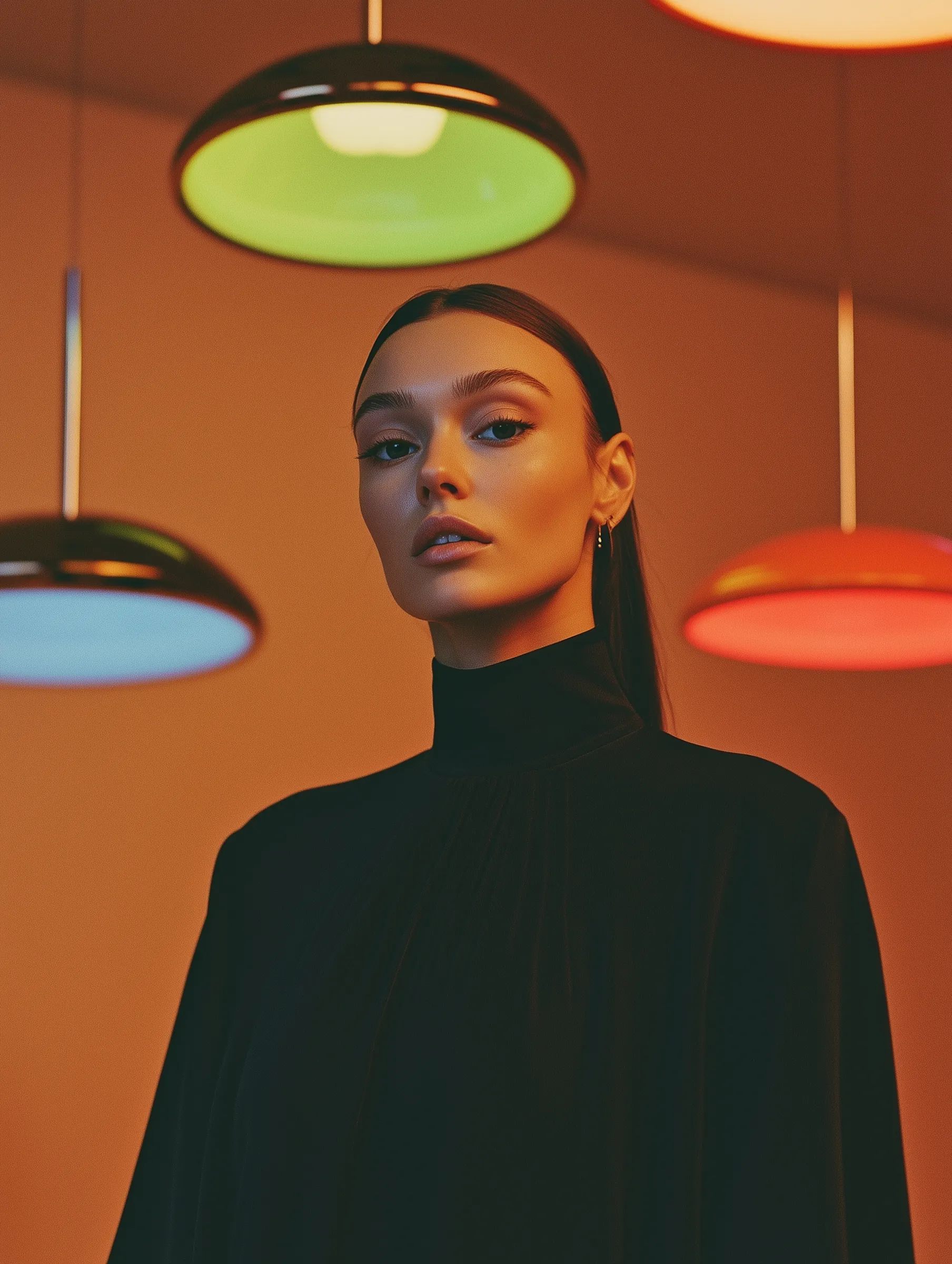
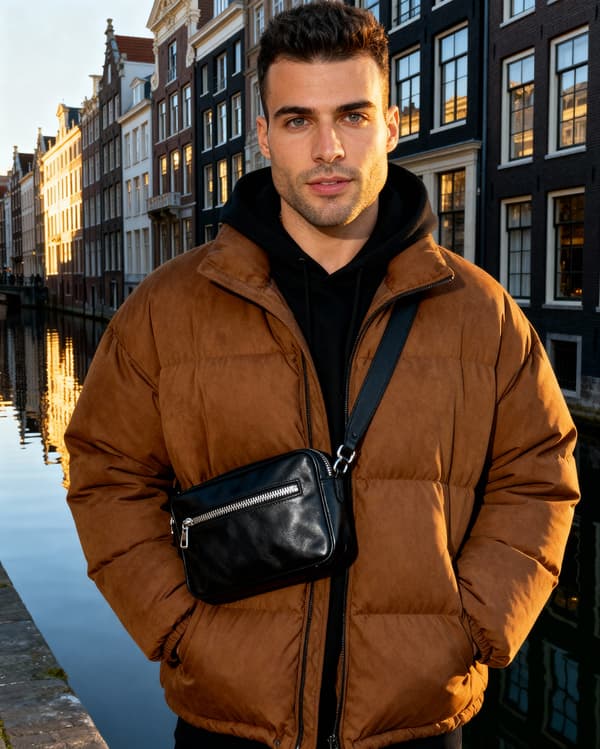
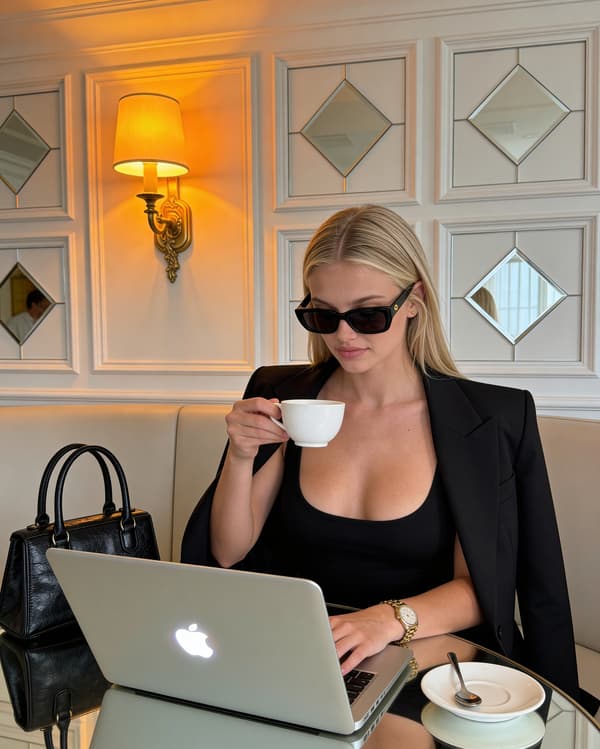
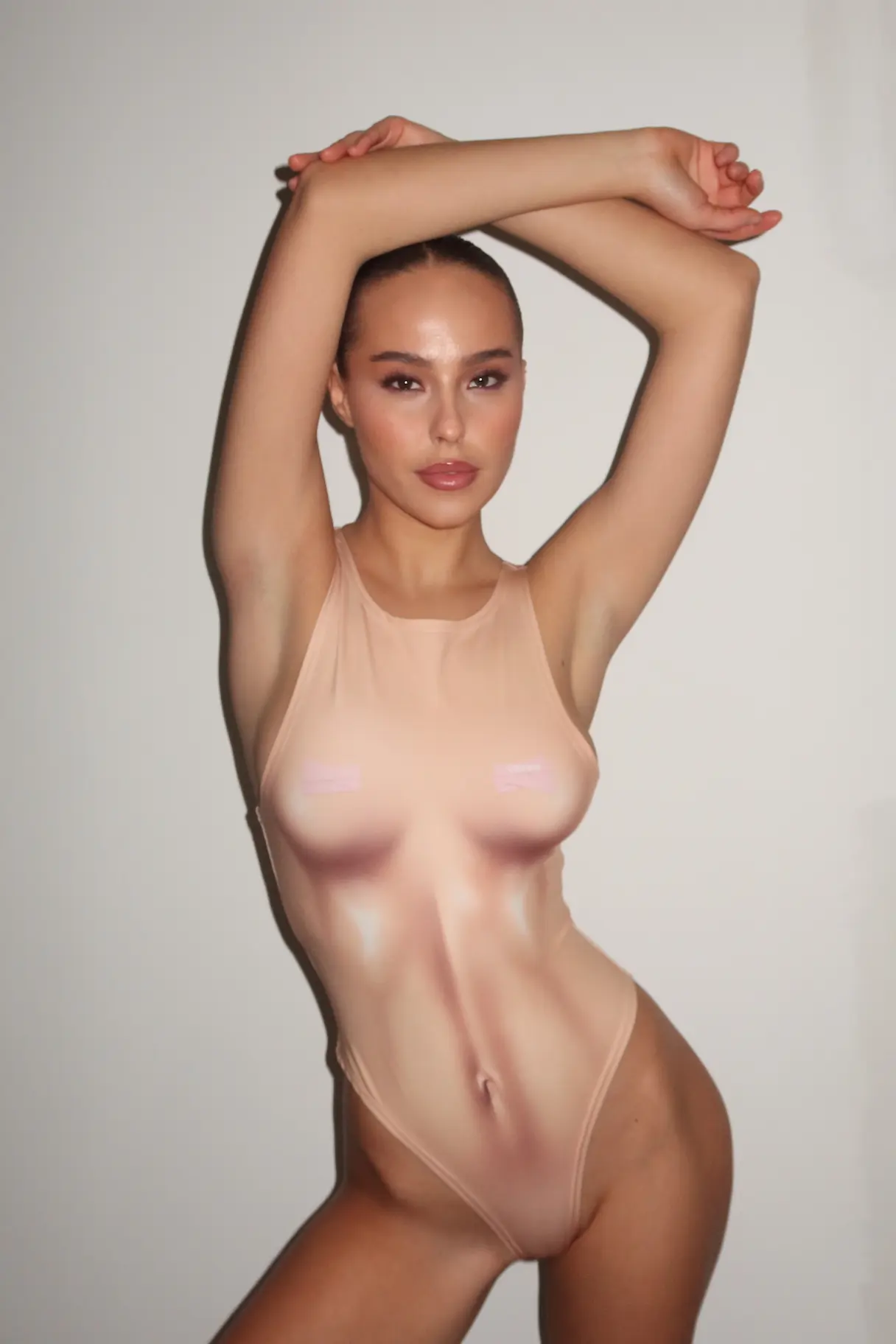
A professional-looking photo of you — in a studio, on a rooftop at golden hour, in a sharp suit or a summer dress — without booking a photographer, without a single selfie that came out wrong. In 2026 you can make AI photos of yourself from a handful of ordinary phone pictures, and the results look like a real shoot. This guide walks through exactly how it works, how to get the most realistic results, and where these photos are actually useful.
No studio, no photographer, no awkward posing. Just a few reference photos and a clear idea of the look you want.
What are AI photos of yourself?
AI photos of yourself are images of you — your real face — placed into new outfits, settings, poses, and lighting that never actually happened. You upload a few reference photos so the AI learns your features, then describe (or pick) the scene you want, and it generates new, photorealistic pictures that still look unmistakably like you.
It's the difference between a generic AI face and your face. Done well, the output is indistinguishable from a photo you'd pay a photographer for — same person, brand-new shoot.
Why people make AI photos of themselves in 2026
A few very practical reasons this went mainstream:
Professional headshots on demand. A clean LinkedIn or CV headshot in minutes instead of a $200 studio booking.
Dating profiles. Better lighting and variety without staging a whole photoshoot.
Social media. A steady stream of on-brand content without leaving the house.
Travel and lifestyle shots you never took — a café in Paris, a beach at sunset — using your real face.
Speed and cost. One subscription replaces a photographer, a location, and an afternoon.
How to make AI photos of yourself, step by step
Step 1: Upload good reference photos
This is 80% of the result. The AI can only be as accurate as the photos you feed it. For the best likeness:
Use 5–15 clear photos of your face from a few angles.
Good, even lighting — avoid heavy shadows, sunglasses, and hats.
Include a mix: close-ups and a couple of upper-body shots.
Neutral expressions work best as a base; you can add expressions later.
Garbage in, garbage out — a few sharp, well-lit references beat fifty blurry ones.
Step 2: Choose the look you want
Decide the scene before you generate. Think like you're briefing a photographer: outfit, setting, lighting, and mood. "Professional headshot, navy blazer, soft studio light, neutral grey background" produces something very different from "candid photo on a sunny street, denim jacket, golden-hour light." The more specific the brief, the more usable the shot.
Step 3: Generate, then refine
Generate a first batch, then adjust. Change the lighting, swap the outfit, tweak the angle. The first result is rarely the final one — treat it like a real shoot where you take many frames and keep the best. Favor natural skin texture over heavy smoothing; a little imperfection is what makes it read as real.
Step 4: Build a consistent library
Once you've locked in a version you love, reuse that identity to produce a whole set — different outfits, locations, and seasons — that all clearly look like the same person. Consistency is what turns a few nice pictures into a real photo library you can pull from any time. A platform built for character consistency like MANROE handles this: it learns you once and keeps you recognizable across every new photo.
Tips for the most realistic results
Name the light. "Soft window light," "overcast," or "golden hour" instantly grounds a photo in reality.
Add a camera cue. Mentioning "85mm portrait" or "35mm" nudges the model toward photographic framing.
Keep skin honest. Ask for "natural skin texture" and avoid "flawless" or "perfect," which flatten detail.
Don't over-stack keywords. Three or four strong, specific details beat a wall of adjectives.
Check the giveaways. Hands, teeth, ears, and jewelry are where AI slips — review them before you post.
Clean headshot, neutral background, soft studio light
Dating profiles
Varied, candid, well-lit lifestyle shots
Social media
On-brand content in your niche's aesthetic
Personal branding
Consistent portraits for a website or media kit
Fun / creative
Yourself in any era, place, or style
AI photos vs a traditional photoshoot
Traditional shoot
AI photos of yourself
Cost
$150–$500+
Price of a subscription
Time
Hours + scheduling
Minutes
Variety
One location, one outfit
Unlimited scenes
Reshoots
Book again
Regenerate instantly
Likeness
It's you
It's you (with good references)
A real photographer still wins for once-in-a-lifetime moments. For everyday headshots and content, AI is faster, cheaper, and endlessly repeatable.
Is it safe and private?
Reputable platforms keep your uploads and generated photos private by default and encrypt your data. Two sensible rules: only upload photos of yourself (never someone else without consent), and be mindful of where you post — the same disclosure etiquette applies if you present AI images as candid photography. Used on your own likeness, making AI photos of yourself is completely legitimate.
Common mistakes to avoid
Poor reference photos. Blurry, dark, or heavily filtered inputs wreck the likeness.
Over-editing. Cranking "beauty" or "HDR" makes skin look plastic.
Vague prompts. "Nice photo of me" gives you a generic shot; specifics give you a keeper.
Ignoring the details. Always check hands, teeth, and background artifacts before posting.
Frequently asked questions
How many photos do I need to upload?
Usually 5–15 clear, well-lit photos of your face from a few angles. Quality matters far more than quantity — a handful of sharp references beats dozens of blurry ones.
Will the AI photos actually look like me?
Yes, if your reference photos are good. The likeness comes directly from what you upload — clear, evenly lit inputs produce a face people recognize as unmistakably you.
Are AI photos of myself private?
On a reputable platform, yes — uploads and results are private by default and encrypted. Only ever upload photos of yourself, not other people without their consent.
Can I use AI photos for my LinkedIn or CV?
Absolutely — professional headshots are one of the most popular uses. Generate a clean, neutral-background portrait with soft studio lighting.
Can I turn my AI photos into video?
Yes. Once you have a consistent set of photos of yourself, image-to-video tools can animate them for reels and short clips. See our guide on creating an AI influencer for the full content workflow.
Start making AI photos of yourself
The barrier to a professional-looking photo of you has basically disappeared. Upload a few good references, brief the look like a photographer, and refine until it's right — and you can produce a whole library of images that look like a real shoot, any time you need one.