How to Make AI Dating Photos for Tinder & Hinge (2026)
MANROE Team · August 27, 2026
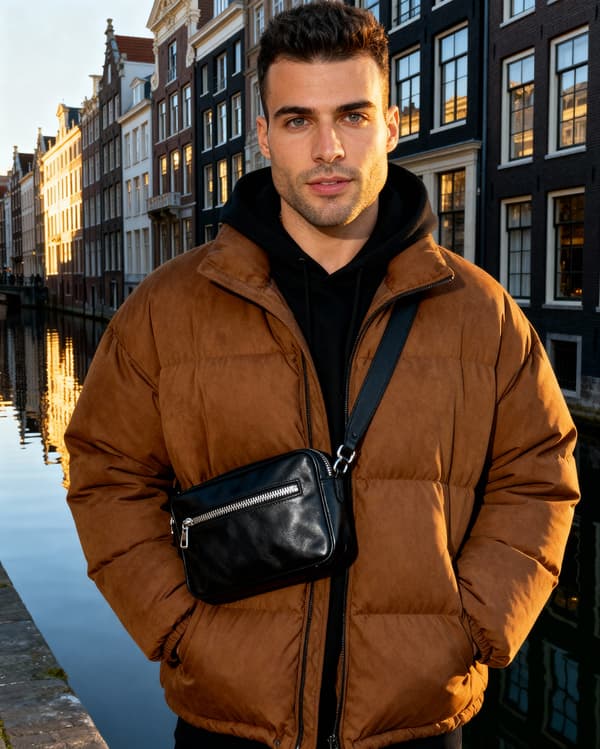
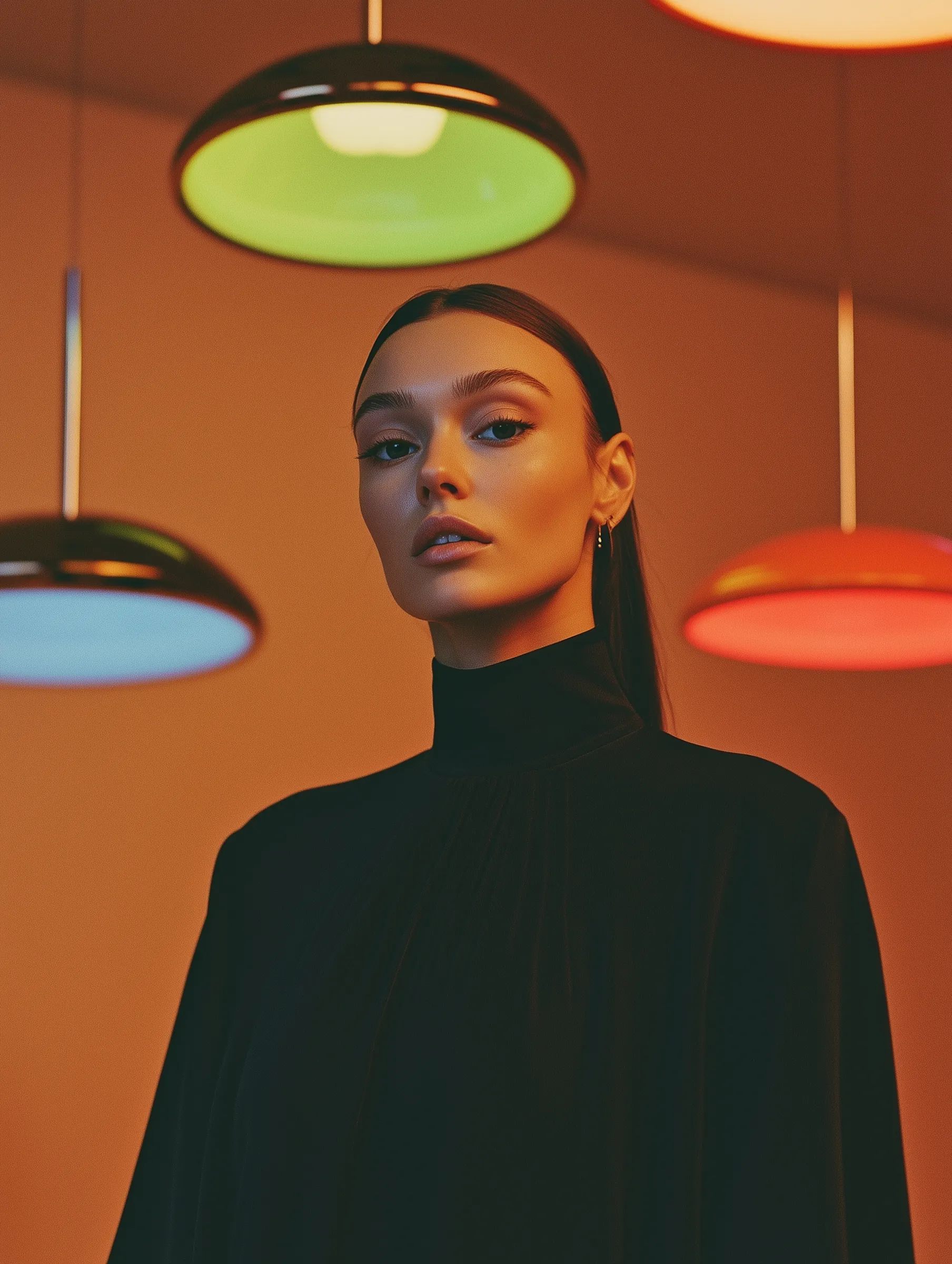
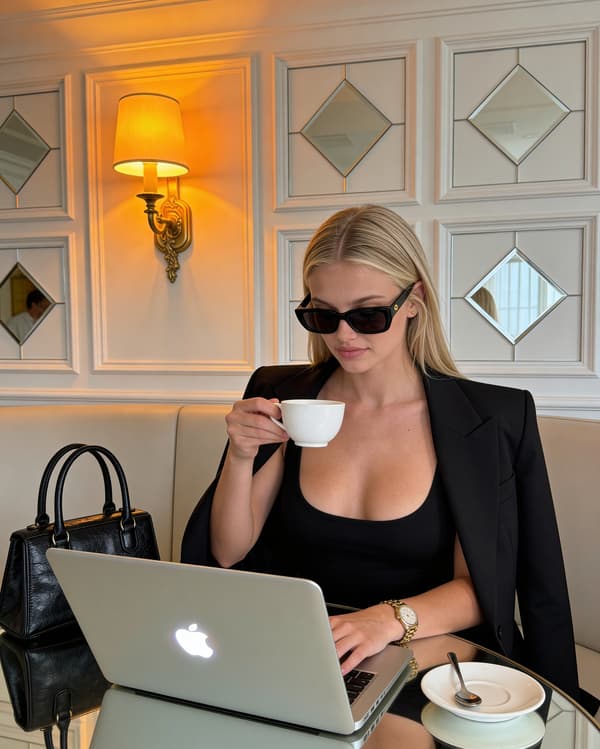
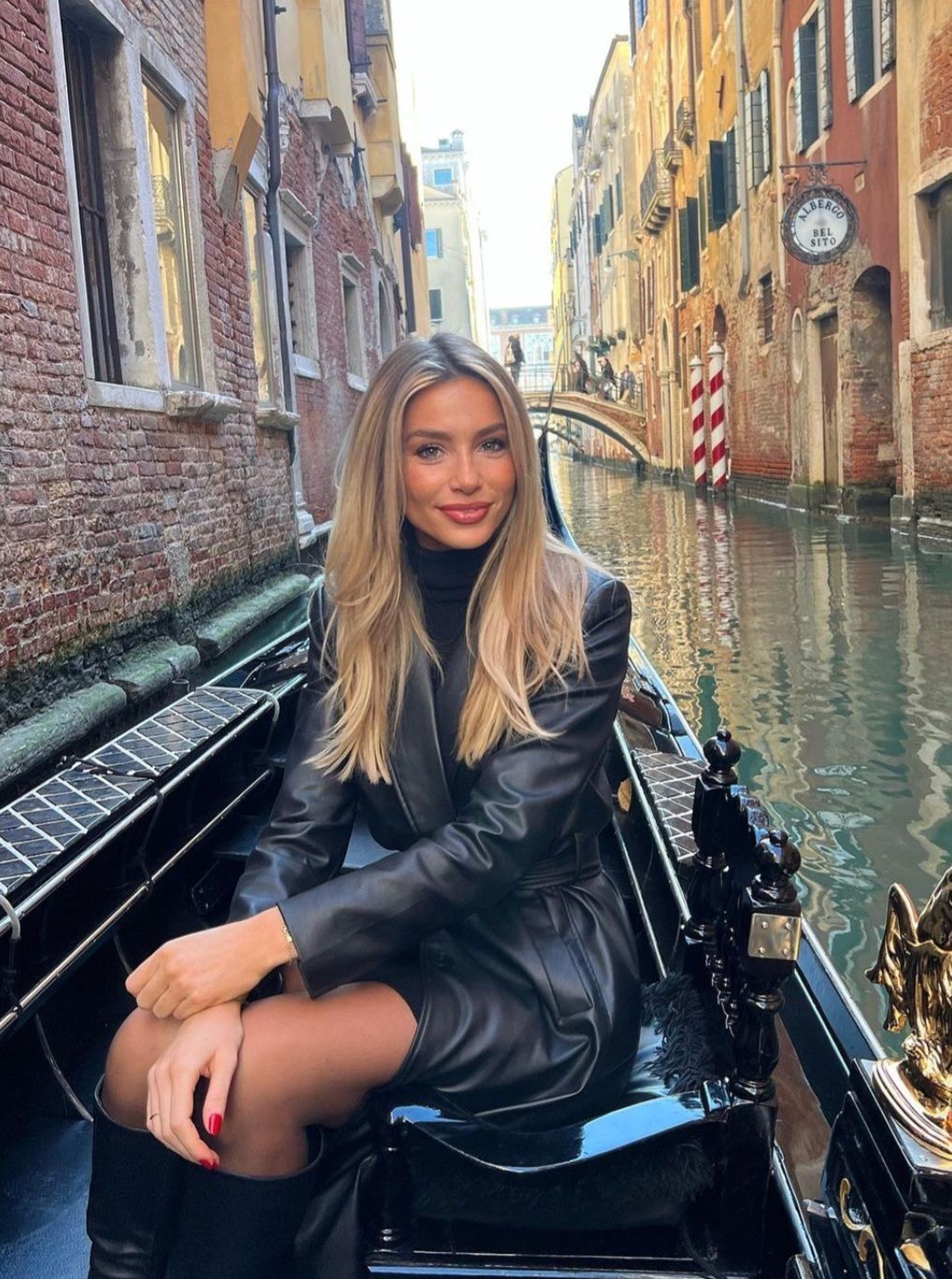
AI dating photos are profile pictures generated from a handful of your own selfies — the same face, in better light, better outfits, and better settings. Done right, they look like a friend with a good camera followed you around for a weekend. Done wrong, they look plastic and get you unmatched. This guide covers how to make AI photos for Tinder, Hinge, and Bumble that actually look like you, and where the honest line is.
What are AI dating photos?
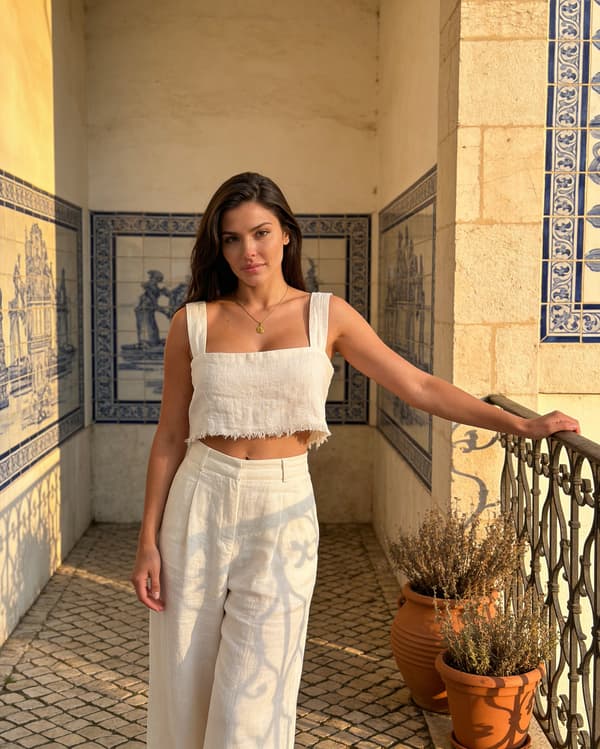
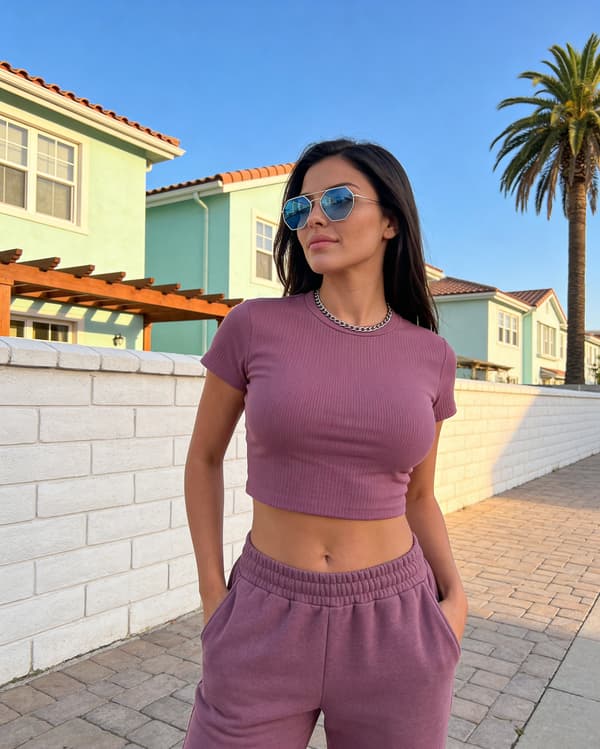
You upload 10–20 real photos of yourself. The model learns your face, and then generates new images of you in scenarios you never shot: golden-hour street portrait, coffee shop, hiking trail, night out. No photographer, no scheduling, no awkward posing in public.
It's the same technology behind AI headshots for LinkedIn — pointed at a different goal. LinkedIn wants competence. Dating apps want approachable, attractive, and real.
Are AI dating photos allowed — and do they work?
Here's the honest answer, because it's the part most articles skip.
Allowed, with one condition: the photos must actually look like you. Every major app now runs some form of selfie or photo verification, and matches increasingly expect that blue check. A generated photo of a person who looks like your better-lit twin passes. A generated photo of someone thinner, ten years younger, or with a different jawline fails — at verification, or on the first date, which is worse.
Misrepresenting who you are on a dating app isn't a grey area. The FTC's guidance on romance scams exists because fake profile photos are the oldest tool in that playbook. The rule that keeps you on the right side of it is simple:
Within that line, they work — and the stakes are real. Pew Research Center found that three-in-ten U.S. adults have used a dating site or app, and on those apps the photo is the profile. Most people's problem isn't their face. It's that their six photos are three years old, badly lit, and cropped from group shots.
What makes a dating photo work
Before generating anything, know what you're aiming at. A profile that performs almost always has:
A clear, close, well-lit face as the first photo — no sunglasses, no hat, no group.
A genuine smile, or at least a relaxed expression. Hard, neutral stares underperform badly.
One full-body shot. Leaving it out reads as hiding something.
A hobby or activity photo — something that gives a person a reason to message you.
Variety. Six photos in the same shirt, same room, same angle looks like one photo shoot, which is exactly what AI profiles get accused of.
Natural settings. Coffee, street, park, restaurant. Not a studio backdrop.
How to make AI dating photos: step by step
1. Gather good source photos
Everything downstream depends on this. Collect 10–20 photos of yourself that are:
Recent (within a year), so the result is honest
Varied in angle, expression, and lighting
Solo, with your face clearly visible and unobstructed
Free of heavy filters, which teach the model the wrong face
2. Build the character
Upload them and let the model lock onto your face. This is the step that determines whether the output looks like you or like a stranger with your haircut — the same principle covered in creating a consistent AI character.
3. Generate a full profile lineup, not six versions of one shot
Aim for a spread that covers the six roles a dating profile needs:
Slot
Photo type
What it signals
1
Close-up portrait, natural light, smiling
This is what I look like
2
Full body, casual outfit, outdoors
Nothing hidden
3
Activity — hiking, gym, cooking, guitar
A reason to message
4
Travel or interesting location
I go places
5
Dressed-up, evening
I clean up
6
Candid — laughing, in motion, at a café
I'm fun to be around
4. Prompt for realism, not perfection
The tells that give away AI photos are all in the "too perfect" direction. Ask for natural skin texture, soft daylight, a slightly imperfect candid framing. Avoid "flawless," "perfect," and heavy retouching cues. Our guide to the best prompts for realistic portraits covers the exact phrasing that helps.
5. Cull ruthlessly
Generate 40–50, keep 6. Check every keeper for hands, teeth, ears, jewellery, and background text — the usual giveaways. If a photo makes you pause for even a second, cut it.
6. Mix in real photos
The strongest profiles aren't 100% generated. Keep two genuinely good real photos in the lineup — a verification selfie and one real candid — and let the AI shots fill the gaps you don't have.
Tinder, Hinge and Bumble: what each rewards
App
What the first photo needs
Notes
Tinder
High-contrast, clear face, instantly readable at thumbnail size
Swiping is fast — the first photo does ~90% of the work
Hinge
Photos that give prompts something to hook onto
Activity and context photos outperform portraits here
Bumble
Approachable, warm, clearly you
Women message first — make it easy to find something to say
Mistakes that get AI dating photos caught
Changing your body or face. The single fastest way to fail verification and waste everyone's time.
Over-smoothed skin. Real skin has pores and texture. Plastic skin is the number-one tell.
Identical framing across all six. Vary the distance, angle, and setting.
Impossible backgrounds. Melted signage, warped architecture, seven fingers — check every image at full size.
Studio lighting everywhere. Dating photos should look like life, not a catalogue.
Zero real photos. Keep at least one, ideally two.
Is it honest to use AI dating photos?
A fair question, and worth answering directly. Using AI to produce a well-lit photo of your actual face is the same category as hiring a photographer, choosing a good outfit, or picking the flattering shot out of thirty — nobody considers those deceptive. Using AI to present a face or body that isn't yours is a different thing entirely, and it fails the only test that matters: the moment you meet.
Enhance the photography. Never change the person. If you'd be comfortable with a match knowing exactly how the photo was made, you're on the right side of the line.
Frequently asked questions
Are AI photos allowed on Tinder and Hinge?
Photos generated from your own face are generally fine — apps care about whether the profile accurately represents you. Photos of a different or heavily altered person violate the rules and fail selfie verification.
Will AI dating photos pass photo verification?
Yes, if they genuinely look like you. Verification compares a live selfie to your profile photos, so any AI image that changed your face or body will fail.
How many photos do I need to upload to make them?
Usually 10–20 varied, recent solo photos. More good source material means a stronger likeness.
How much do AI dating photos cost?
Far less than a photographer. A photo shoot runs $200–$500; AI generation is typically a subscription of $10–$30 per month for hundreds of images.
Can people tell a photo is AI-generated?
Sometimes — the tells are over-smooth skin, perfect lighting, odd hands, and warped backgrounds. Prompting for natural texture and culling aggressively removes most of them.
Should my whole profile be AI photos?
No. Keep one or two real photos in the mix. A fully generated profile is both easier to spot and harder to verify.
Make your profile look like your best real day
The goal isn't a profile that looks generated — it's a profile that looks like you on a good day, in good light, doing something worth talking about. That's what AI photography is genuinely good for, and it takes an afternoon instead of a photo shoot.