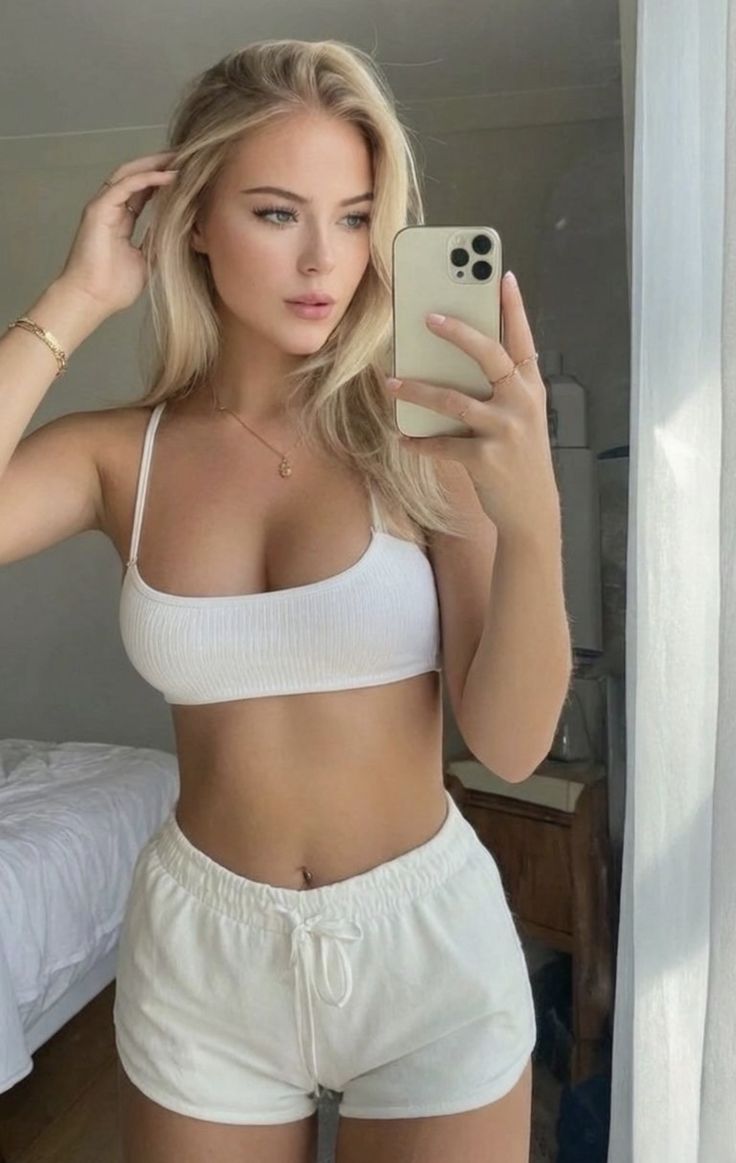
An AI model for OnlyFans is a virtual creator — a consistent, photorealistic persona you build with AI and run like a real account: posting, subscriptions, and pay-per-view — without ever showing your own face. In 2026, creators use this to earn from content without the privacy trade-off of appearing themselves. This guide covers how to build one, how to keep it consistent, and — importantly — how to stay compliant with the rules.
No photoshoots, no showing your identity, no studio. Just a persona and the right tools.
What is an AI model for OnlyFans?
An AI OnlyFans model is a fictional creator whose photos and videos are AI-generated, with the same face across every post, run as a subscription account. The audience subscribes to a persona and an aesthetic — the content is produced with AI instead of a camera.
It's the adult-adjacent, subscription version of an AI influencer: same core idea (a consistent virtual persona), pointed at a subscription business model.
Why creators use AI models for OnlyFans
Privacy. Earn from content without showing your own face or identity.
Cost. No photographer, studio, or travel — content costs a subscription.
Volume. Produce a week of posts in an afternoon; more content means more to sell.
Consistency. The same face across every post builds a recognizable creator.
Control. Direct wardrobe, setting, and style on demand.
How to make an AI model for OnlyFans, step by step
Step 1: Define the persona and niche
Decide who the model is — name, age (adult), personality, aesthetic, and niche (fitness, glamour, alt, cosplay, lifestyle). A specific, consistent persona builds loyal subscribers; a generic one blends into the feed. Write it in one or two lines and stick to it.
Step 2: Lock a consistent face
This is make-or-break. If the face changes between posts, subscribers notice and trust drops. Generate the model once and reuse that exact identity for every image and video — this is exactly what a platform built for character consistency like MANROE handles. See our full guide on creating a consistent AI character.
Step 3: Build a content library
Batch-produce content across tiers so you have plenty to post and sell:
Free / teaser content for social and the free page — draws subscribers in.
Subscription content — the core feed.
Premium / pay-per-view — your highest-value sets.
Keep the lighting and style consistent so the whole library reads as one creator. Mix portraits, lifestyle, and themed sets.
Step 4: Set up and verify the account
Create the account, write an on-brand bio, and complete OnlyFans' identity verification (a real person must operate the account — more on the rules below). Set your subscription price, and plan a free page or social funnel to drive sign-ups.
Step 5: Grow with a social funnel
OnlyFans itself has limited discovery, so traffic comes from outside — Instagram, TikTok, X, and Reddit. Post consistent teaser content there and funnel to your page. Our guides on making an AI Instagram model and AI videos of yourself cover the growth and video side.
Step 6: Monetize
The income stack on a subscription platform:
Monthly subscriptions — recurring base.
Pay-per-view (PPV) messages — premium sets sent to subscribers.
Tips — from engaged fans.
Custom content requests.
Consistency and volume compound: more content and steady posting grow both subscribers and PPV sales.
Is an AI model allowed on OnlyFans?
Yes, with rules — and following them matters. OnlyFans permits AI-generated content, but the account must be operated by a verified real person, AI content should be clearly disclosed, and you may not use the likeness of a real person without consent. In short: a fictional AI persona, run transparently by a verified operator, is allowed; deepfakes or undisclosed impersonation are not. Always check OnlyFans' current terms, since platform policies on AI evolve.
Two universal rules: only depict fictional adults (never real people's likeness without consent), and keep everything within the platform's content and age policies.
Tips for a believable AI model
Keep the face consistent across every post — the number-one trust factor.
Natural skin, not plastic. Over-smoothed images read as fake.
Vary scenes and outfits so the feed feels like a real person's life.
Check the details — hands, jewelry, and backgrounds are where AI slips.
Post consistently. Subscription churn is beaten by steady, fresh content.
Common mistakes to avoid
Inconsistent face — breaks the illusion and loses subscribers.
No external funnel — relying on OnlyFans' own discovery alone stalls growth.
Ignoring disclosure/verification rules — risks the account.
Thin library — not enough content to keep subscribers or sell PPV.
Over-editing — plastic skin is an instant tell.
Frequently asked questions
Can you use AI-generated models on OnlyFans?
Yes, if you follow the rules: the account must be run by a verified real person, AI content should be disclosed, and you can't use a real individual's likeness without consent. A fictional AI persona operated transparently is allowed.
How do I keep my AI model's face consistent?
Generate the model once on a platform built for character consistency, then reuse that identity for every image and video. You change outfits and settings, never the face.
Do I need to show my face to run an AI OnlyFans model?
No — that's the point. The model is a virtual persona. You still complete the platform's operator verification, but the content features the AI creator, not you.
How much can an AI OnlyFans model make?
It varies widely with niche, content volume, and how well you drive external traffic. Income stacks from subscriptions, PPV, and tips — the same levers as any creator. For broader income paths, see how to make money with AI.
What's the hardest part?
Two things: keeping the face perfectly consistent (solved by the right platform) and driving external traffic (Instagram, TikTok, Reddit) — OnlyFans has little built-in discovery.
Start building your AI model
An AI model for OnlyFans comes down to a clear persona, a consistent face, a solid content library, and an external traffic funnel — all while following the platform's disclosure and verification rules. The tools handle the photorealism and consistency; you handle the strategy and compliance.