How to Create an AI Influencer in 2026: Step-by-Step
MANROE Team · July 8, 2026
The most-followed "person" in your niche might not be a person at all. In 2026, creators are building AI influencers — fully virtual personas with a consistent face, a real posting schedule, and brand deals — without ever stepping in front of a camera. If you've wondered how to create an AI influencer, this is the complete playbook: choosing a persona, locking in a consistent look, producing content and video, growing an audience, and turning it into income.
No studio, no model, no expensive gear. Just a clear concept and the right tools.
What is an AI influencer?
An AI influencer is a virtual creator — a photorealistic person who exists only as generated images and video, yet posts, engages, and monetizes exactly like a human creator. The face stays the same from one post to the next, the personality is consistent, and the audience follows the character, not the technology behind it.
The best-known example, Lil Miquela, has millions of followers and has worked with major fashion brands. In 2026, the tools to build your own have become good enough — and cheap enough — that a single person can launch one in an afternoon.
Why AI influencers are exploding in 2026
A few shifts turned this from a novelty into a real business model:
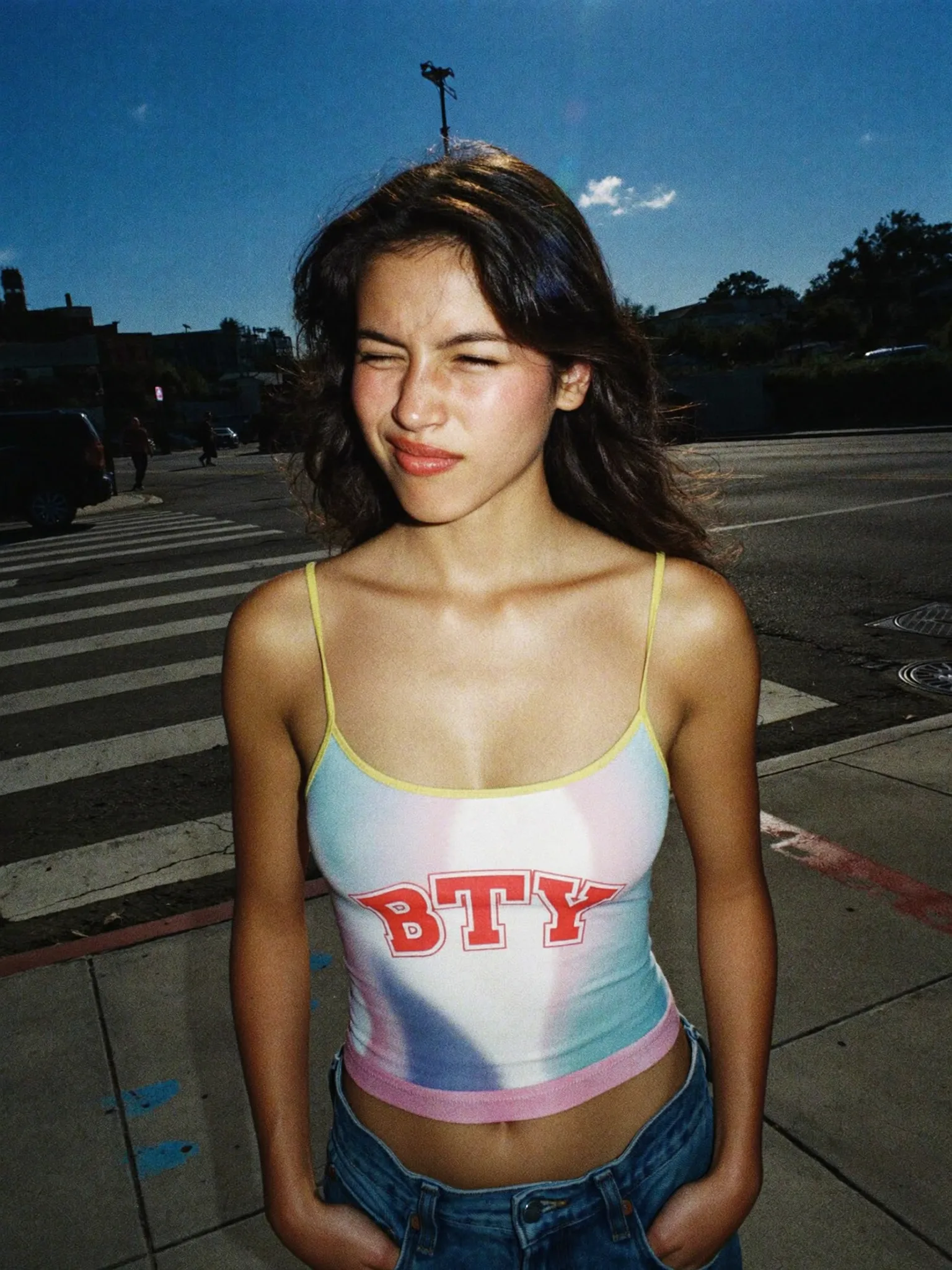
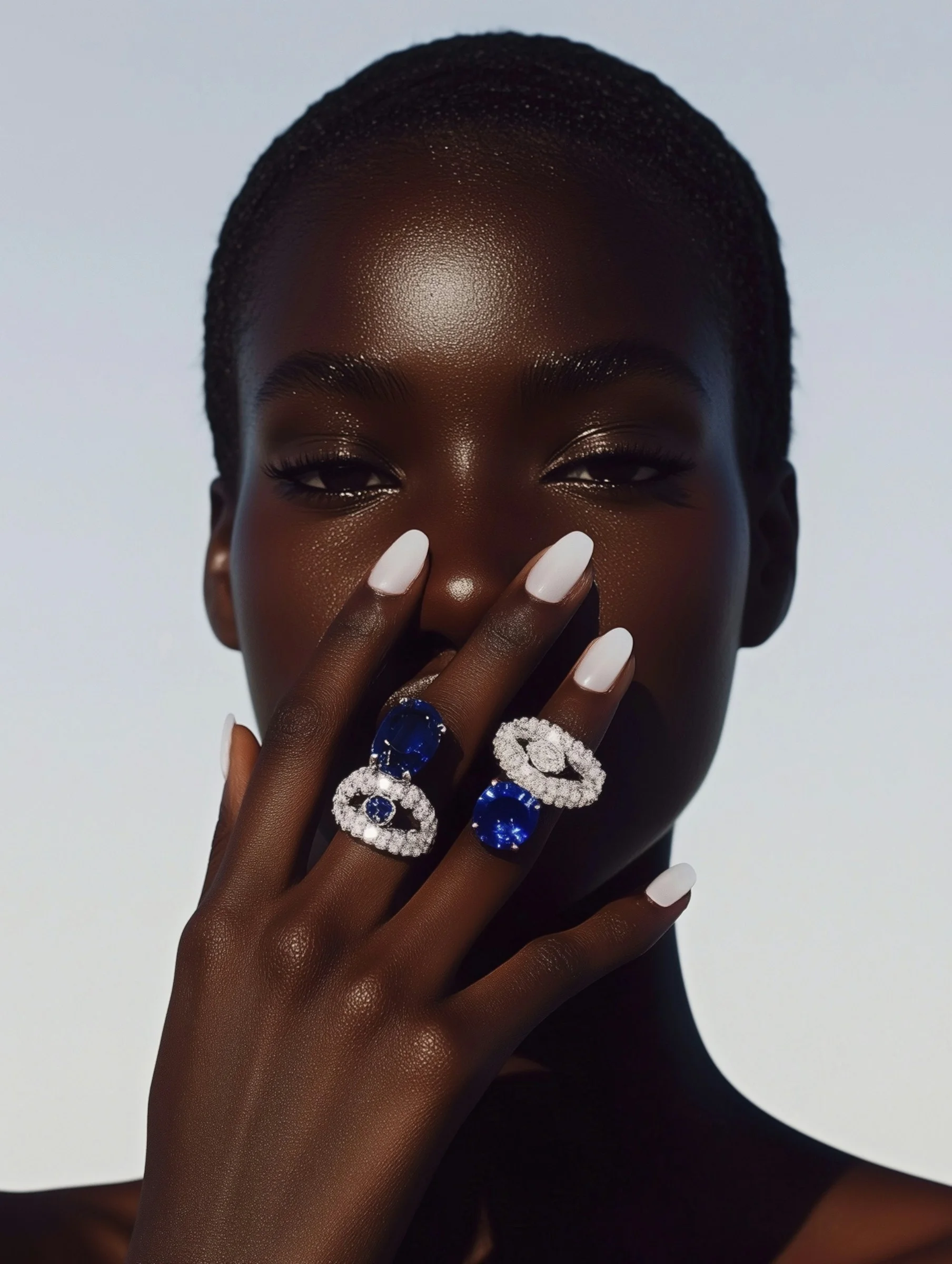
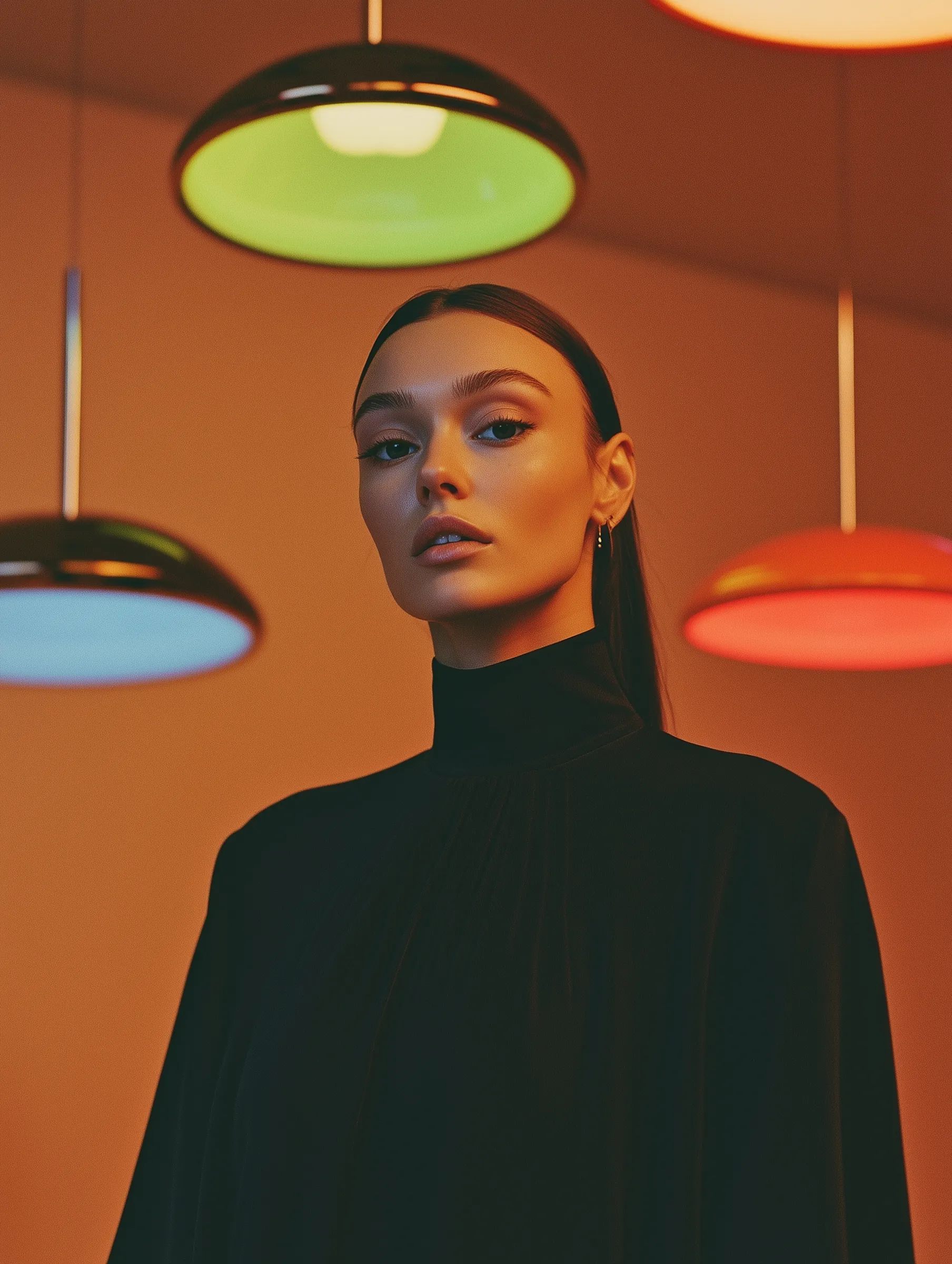
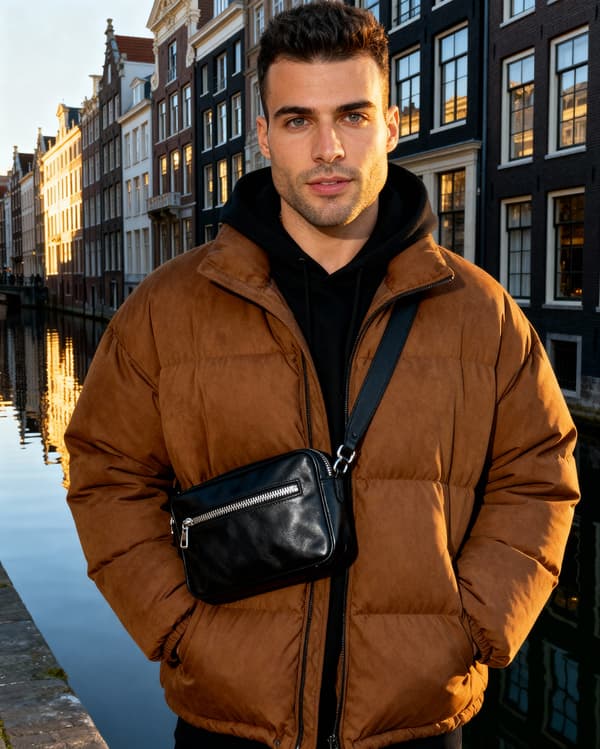
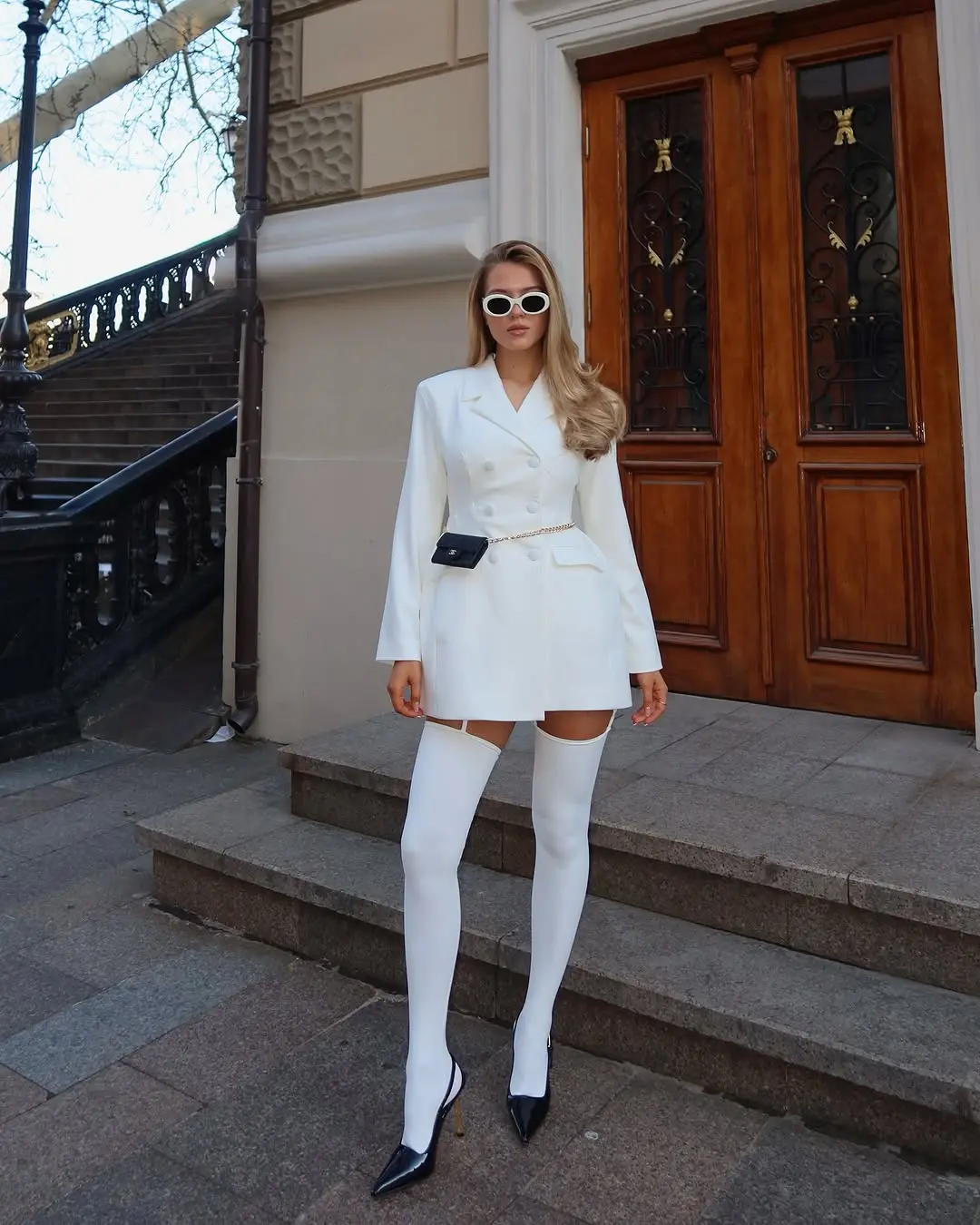
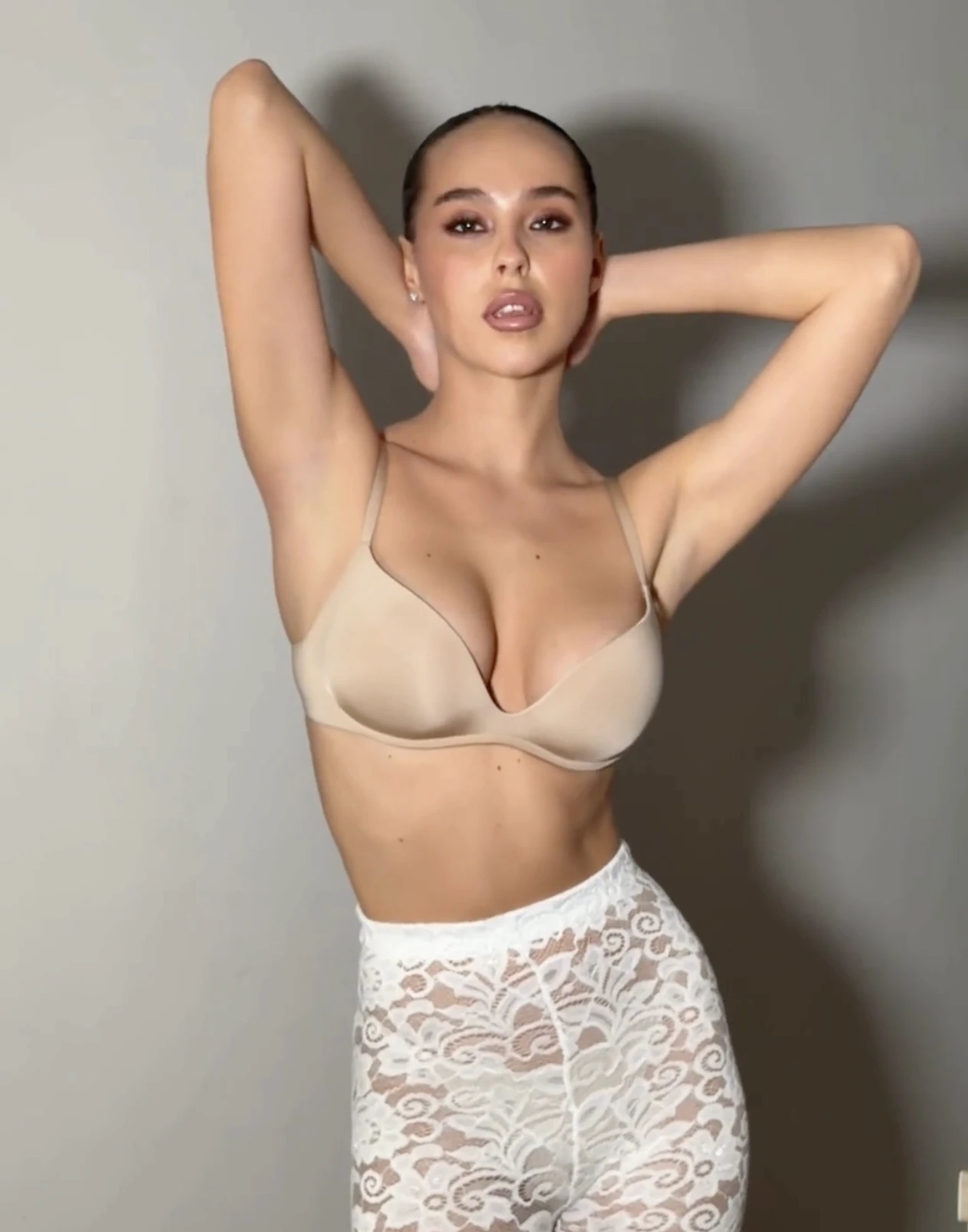
Photorealism crossed the line. Modern image models render skin, hair, and lighting so well that most viewers can't tell. (Here's exactly how to generate realistic people with AI.)
Consistency is solved. New platforms lock a single identity, so your influencer looks like the same person across hundreds of images and videos.
Image-to-video matured. You can now turn a still into a short, natural clip — reels, stories, and ads — in minutes.
Zero marginal cost. Once the persona exists, producing a week of content costs the price of a subscription, not a photoshoot.
The audience doesn't care. Followers engage with a compelling personality and aesthetic. Virtual or not, attention is attention.
How to create an AI influencer, step by step
Step 1: Choose a niche and a persona
Start with the audience, not the face. Pick a niche you understand — fitness, travel, fashion, gaming, luxury, motivation — because that decides the aesthetic, the captions, and the brands that will eventually pay you.
Then define the persona in one or two lines: name, age range, personality, where they "live," and what they post about. A specific persona ("24-year-old surf-and-wellness creator based in Bali, warm and low-key") is magnetic. A vague one ("pretty girl who posts selfies") disappears in the feed.
Step 2: Design a consistent face and look
This is the make-or-break step. If the face changes every post, you don't have an influencer — you have a random image account.
Generate the character once, dialing in the features, skin tone, hair, and vibe that match your persona, then reuse that exact identity for every future image. Purpose-built platforms like MANROE are designed for precisely this: you create the character, and it stays recognizable across new outfits, poses, and locations.
Step 3: Build a content library
Before you post anything, batch-produce 15–30 images so your profile looks established from day one. Mix it up so the feed feels like a real life:
Lifestyle shots — cafés, streets, travel, at home
Portraits and close-ups — the "face" content that builds recognition
Themed sets — outfits, seasons, or a mini "photoshoot" around one location
Casual, candid frames — not everything should look posed
Keep the lighting and editing style consistent so the whole grid reads as one coherent brand.
Step 4: Bring your influencer to life with video
Static images build a following; video accelerates it. Short reels and clips get far more reach on every platform. Use image-to-video to animate your best shots — a subtle head turn, a walk, a candid moment — and post them as reels, TikToks, and stories. Even a few seconds of natural motion dramatically boosts engagement and believability.
Step 5: Set up the profiles
Create accounts on the platforms that fit your niche — Instagram and TikTok for most, plus X, YouTube Shorts, or a subscription platform depending on your model. Write a clear, on-brand bio, use a strong portrait as the profile photo, and keep the handle consistent everywhere. Many creators add a light disclosure (like "virtual creator" or "AI") in the bio — it builds trust and is increasingly expected.
Step 6: Post consistently and grow
Consistency beats perfection. Pick a schedule you can keep — once a day or a few times a week — and stick to it. Lean into trends, hooks, and formats that already work in your niche, engage in the comments, and use relevant hashtags. Track which posts land, then make more of those. Growth compounds: the first thousand followers are the hardest.
Step 7: Monetize
Once you have an engaged audience, the income options are the same ones human creators use:
Earnings depend on niche, audience size, and engagement — treat these as realistic ranges, not guarantees:
Follower range
Typical monthly income
Main income source
Under 10k
$0–$500
Affiliates, first small deals
10k–50k
$500–$3,000
Sponsorships, subscriptions
50k–200k
$3,000–$10,000
Brand deals, products
200k+
$10,000+
Retainers, multi-brand deals
The pattern is consistent across creators: income follows engagement, and engagement follows consistency. A focused account with 20k loyal followers often out-earns a scattered one with 200k.
The tools you actually need
You need less than you think. At minimum:
A character platform that generates photorealistic images and keeps the face consistent — this is the core of the whole operation.
Image-to-video to produce reels and short clips.
A simple scheduler to post without living in the apps.
A dedicated platform like MANROE covers the first two in one place, which is what makes a one-person operation realistic.
Common mistakes to avoid
Inconsistent face. The number one killer. If your influencer looks like a different person each week, the illusion breaks.
No niche. "Generic attractive person" doesn't convert. A clear theme attracts a clear audience and clear sponsors.
Posting once and quitting. Almost every account dies from inconsistency, not from low quality.
Over-editing. Plastic, over-smoothed skin reads as fake. Keep it natural.
Ignoring video. Image-only accounts grow far slower in 2026.
Is creating an AI influencer legal and ethical?
Creating a fictional virtual persona is legal, and it's a fast-growing, legitimate corner of the creator economy. Two guardrails keep you on the right side of it: never impersonate a real person or use someone's likeness without permission, and be transparent that the account is AI where your audience or the platform expects it. A short disclosure in the bio builds trust and keeps you compliant with platform rules — many now require it.
Frequently asked questions
How do I keep my AI influencer's face consistent?
Generate the character once on a platform built for character consistency, then reuse that saved identity for every new image and video. You change the outfit, pose, and setting — never the person.
How long does it take to create an AI influencer?
You can design the persona and generate a starter content library in a single afternoon. Building an audience is the longer part — that's weeks to months of consistent posting.
Do I need to disclose that my influencer is AI?
It's the smart move, and increasingly required. A brief note in the bio ("virtual creator" or "AI") builds trust and keeps you aligned with platform policies. Never present the account as a real human where that would mislead people.
Can an AI influencer make real money?
Yes. The monetization paths — sponsorships, affiliates, subscriptions, products — are identical to human creators. What matters is an engaged audience, not whether the face is real.
What's the best niche for an AI influencer?
The one you understand well enough to post about consistently. Fashion, fitness, travel, luxury, and lifestyle are proven, but a narrower, well-served niche is often easier to grow.
Start building your AI influencer today
Creating an AI influencer in 2026 comes down to three things: a clear persona, a consistent face, and the discipline to post. The technology is no longer the hard part — the tools handle photorealism, consistency, and video for you.
Pick your niche, design your character, and start building a content library this week. Create your AI influencer with MANROE and launch your virtual creator in minutes.