Best Niches for an AI Influencer That Make Money (2026)
MANROE Team · August 21, 2026
The best AI influencer niches are the ones where brands already spend money and the content can be produced entirely from images and video — fashion, fitness, travel and luxury lifestyle, beauty, tech, and finance. Those categories have big advertiser budgets, endless visual content, and no requirement for the creator to physically hand over a product on camera. This guide ranks the niches that actually make money for virtual creators, the ones to avoid, and how to pick yours.
If you haven't built your character yet, start with the full playbook on how to create an AI influencer. This article is about choosing the lane you'll grow in.
Why the niche decides how much you earn
Follower count is only half the equation. The other half is what an advertiser is willing to pay to reach those followers — and that number swings wildly by category. A skincare brand and a SaaS company will pay several times more per thousand followers than a general meme page, because their customers are worth more.
The money behind this is real: Goldman Sachs estimates the creator economy could approach $480 billion by 2027, roughly double its size today. Picking a niche is how you point your account at the part of that spend with the highest rates.
Advertiser budgets. Are there brands in this category that already pay creators?
Visual repeatability. Can the content be made from photos and video of one person, in outfits and locations you can generate on demand?
No physical proof required. Anything that depends on unboxing, tasting, or demonstrating a product in your real hands is a bad fit.
Buying intent. Does the audience actually purchase, or just scroll?
Room to compete. A narrow sub-niche beats a crowded broad one every time.
Fashion passes all five. "Restaurant reviews" fails two of them. That's the whole test.
The best AI influencer niches that make money
1. Fashion & style
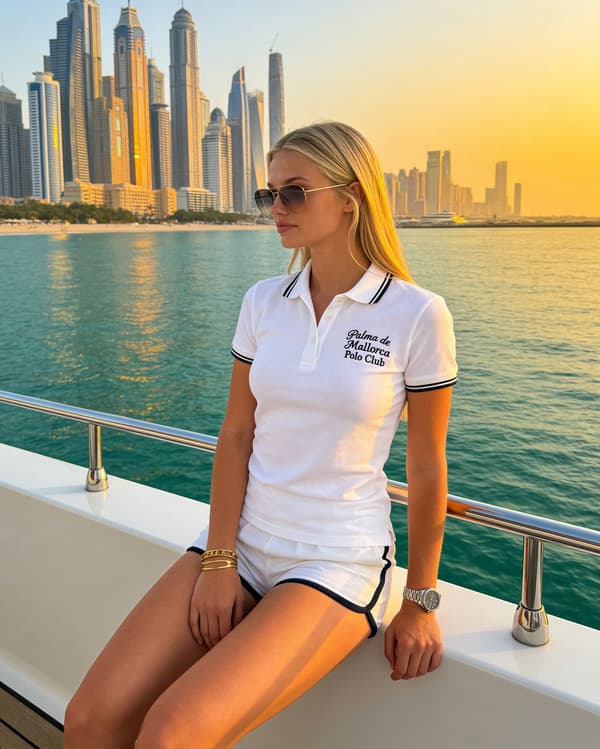
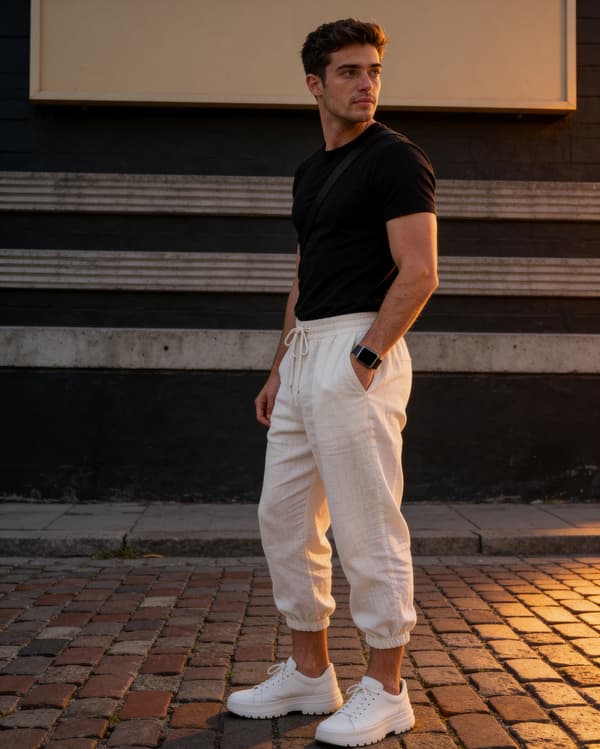
The default niche for virtual influencers, and for good reason: it's pure image content, brands run constant campaigns, and outfit posts are infinitely repeatable. Fashion is also where the best-known virtual creators — Lil Miquela, Aitana López, Shudu — built their audiences and their brand deals. Monetizes through: sponsored posts, affiliate links to clothing, brand ambassadorships.
2. Fitness & wellness
Huge audience, strong advertiser demand from supplement, apparel, and app brands, and highly visual. The one rule: sell aesthetic and motivation, not medical claims or personalised training advice. Monetizes through: supplement and activewear sponsorships, affiliate codes, subscription workout content.
3. Travel & luxury lifestyle
The niche AI is almost unfairly good at — a virtual creator can post from Positano, Dubai, and Tokyo in the same week for the cost of a subscription. Hotels, resorts, and luxury brands pay well, and audiences save and share travel content heavily. Monetizes through: hotel and destination partnerships, travel-gear affiliates, luxury brand deals.
4. Beauty & skincare
Consistently one of the highest-spending influencer categories. Works well with a consistent AI face, since the whole point is showing the same person's look over time. Keep it to aesthetic and product styling — leave dermatological claims alone. Monetizes through: cosmetics sponsorships, affiliate storefronts, own-brand products.
5. Tech, AI & gadgets
Lower competition among virtual influencers and very high advertiser value: software and AI companies pay strong rates because a single customer is worth a lot. An AI creator posting about AI tools also has a natural, honest angle. Monetizes through: SaaS sponsorships, affiliate programs (often recurring commission), newsletter or course sales.
6. Finance & side hustles
The highest CPMs in the influencer world — fintech, trading apps, and business tools all pay well. It's also the riskiest: money content is held to a higher standard by platforms and audiences alike, so stick to general education and never present yourself as a licensed advisor. Monetizes through: fintech sponsorships, affiliate deals, digital products.
7. Gaming, anime & virtual worlds
An audience that is already comfortable with virtual personas — often the easiest place for an AI character to be accepted rather than scrutinised. Monetizes through: game sponsorships, peripherals, Twitch/YouTube-style memberships.
8. Cars, watches & "aspirational" collectibles
Small but wealthy audiences, high-ticket affiliate potential, and content that's essentially product photography with a person in frame. Monetizes through: dealer and brand partnerships, high-value affiliates.
9. Home, interiors & aesthetic living
Quiet, evergreen, and full of affiliate opportunities — furniture, decor, and homeware convert well from Pinterest and Instagram. Monetizes through: homeware affiliates, brand collaborations.
10. Personality-led companion content
A persona people follow for the character itself rather than a topic. It's the fastest route to subscription revenue and the most brand-sensitive one — check each platform's rules before you build around it. Monetizes through: subscriptions, tips, exclusive content.
Niche comparison at a glance
Niche
Advertiser rates
Competition
Best monetization
Fashion & style
High
Very high
Brand deals, affiliates
Fitness & wellness
High
High
Supplements, apparel
Travel & luxury
Medium–high
Medium
Hotels, destinations
Beauty & skincare
Very high
Very high
Cosmetics, own products
Tech & AI
Very high
Low
SaaS, recurring affiliates
Finance
Highest
Medium
Fintech, digital products
Gaming & anime
Medium
Medium
Games, memberships
Cars & watches
High
Low
High-ticket affiliates
Home & interiors
Medium
Medium
Homeware affiliates
Companion content
N/A
High
Subscriptions
Rates move year to year — Influencer Marketing Hub's annual benchmark report is a good free place to sanity-check current numbers before you pitch.
Niches to avoid with an AI influencer
Food tasting and restaurant reviews — the entire format depends on eating something you can't eat.
Medical, legal, or financial advice — high-stakes topics where an anonymous virtual persona is a liability, not an asset.
Live events and news reactions — anything requiring real-time, on-location proof.
Impersonating real people — never build a character on a real person's likeness. It's the fastest way to get banned and sued.
How to pick your niche in four steps
Start from what you can talk about weekly for a year. Content dies from boredom more often than from bad strategy.
Check that brands already pay there. Look at who sponsors existing creators in the space — that's your future client list.
Narrow it until it's specific. "Fitness" is a category; "home workouts for busy dads" is a niche. Specific wins.
Match the niche to your character. The persona, look, and locations should make sense together — a luxury travel creator and a budget-hacks creator are different people.
Once you've chosen, the character has to be the same person in every post — that's what turns an account into a brand. Our guide to creating a consistent AI character covers exactly how.
Micro-niche examples that work
Broad niche
Sharper sub-niche
Fashion
Petite capsule wardrobes on a budget
Fitness
Post-40 strength training
Travel
Solo female city breaks in Europe
Tech
AI tools for freelancers
Home
Small-apartment renter-friendly decor
Each of these has a clearly defined audience, an obvious content calendar, and a matching set of advertisers.
How to test a niche before committing
Give it 30 days and 20–30 posts. Track saves, shares, and follows per post rather than likes — those are the signals platforms reward and brands look for. If nothing moves, change the niche, not the character: the same AI persona can pivot from general lifestyle to a sharper angle without starting from zero.
Brands also hire virtual creators directly for content rather than reach — see how to create AI UGC content for brands for that route, which often pays before your own audience does.
Frequently asked questions
What is the most profitable AI influencer niche?
Finance and tech command the highest advertiser rates, while beauty and fashion have the largest total spend. The most profitable niche for you is the highest-rate category you can post in consistently.
Which niche is easiest to start in?
Fashion and travel lifestyle — the content is purely visual, needs no specialist knowledge, and suits AI generation perfectly.
Can an AI influencer succeed in a competitive niche?
Yes, by narrowing it. Competing in "beauty" is hard; competing in "minimal skincare routines for oily skin" is very doable.
How many niches should one AI influencer cover?
One, with room for adjacent lifestyle content. Two unrelated niches confuse both the algorithm and potential sponsors.
Do I need a different character for each niche?
Not necessarily, but the persona should fit the niche. If you want to go after a very different audience, a second character is usually cleaner than repositioning the first.
Can I change niche later?
Yes — pivoting within a related space (fitness → wellness → healthy lifestyle) works fine. A hard jump to an unrelated topic usually costs you most of the audience's engagement.
Pick the niche, then build the character
The niche is the highest-leverage decision you'll make: it sets your rates, your audience, and how quickly brands come to you. Choose a category with real advertiser budgets, narrow it until it's specific, and commit long enough to see the compounding.
Ready to build the creator who'll own that niche? Create your AI influencer with MANROE — one consistent character, unlimited photos and video, and everything you need to start posting this week.